Are There Any Real Benefits to Drinking?
I once said drink in moderation, if it gives you joy. The data, and a bit of honesty, have moved me on.

Audio and YouTube versions available at the end of this email.
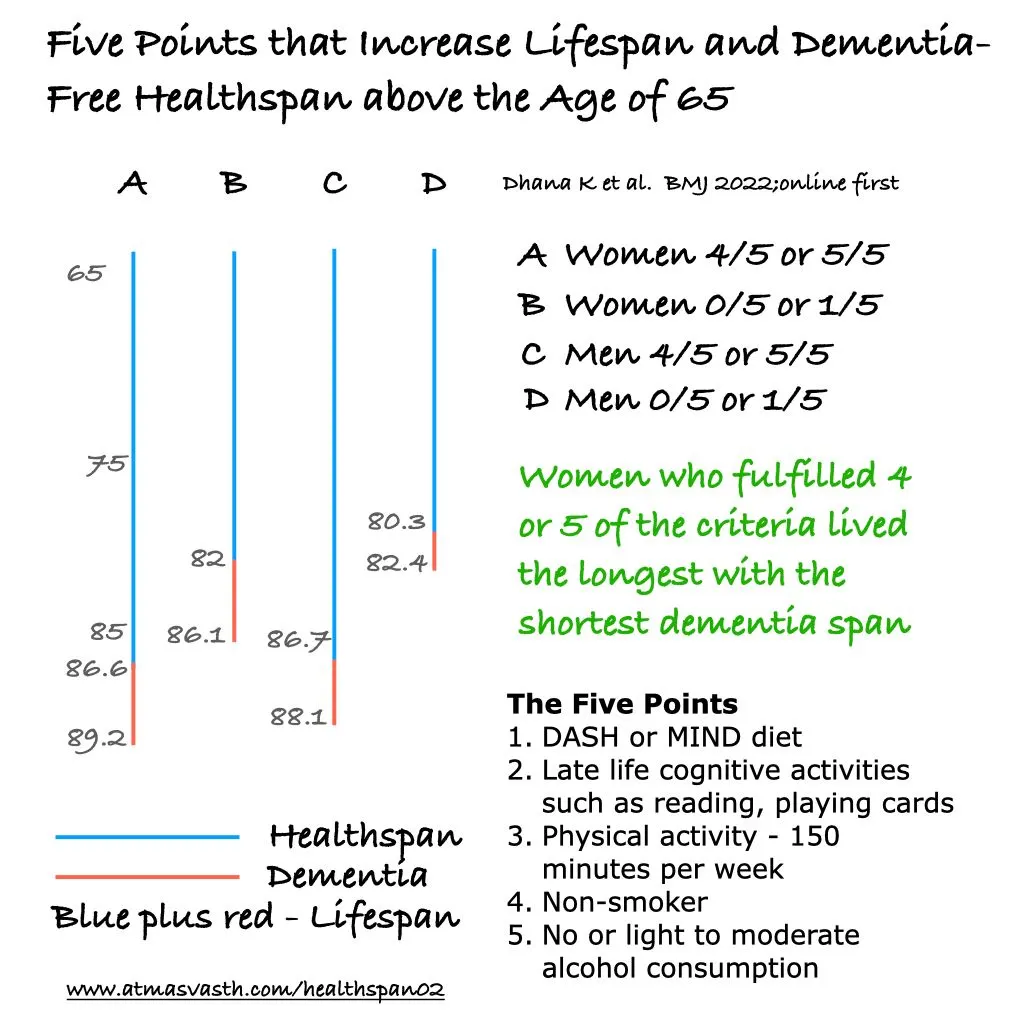
In the 15-point Atmasvasth guide to live long, healthy, this is point No 6.
6. Moderate your addictions and stimulants (smoking, alcohol, caffeine, marijuana) - daily
- Do not smoke. If you do, then switch to e-cigarettes or just stop. Do not chew tobacco/gutka. Period.
- Drink alcohol in moderation, if you have to. Don’t start if you anyway don’t drink.
I first wrote about alcohol in Aug 2021 and then followed up with a piece in Sep 2023 after being heavily influenced by Steinbeck’s “Travels with Charley”. The combined message was that there is no real health benefit to drinking and so don’t start if you don’t drink, but if you do, do so in moderation, not more than 2-3 times a week. And in the 2023 piece I said that if it gives you joy, then go for it, because living is also about doing things that make you happy.
Just as my tastes and views have shifted as I've aged, I am also walking away from this guidance. While a box of Pringles or a plate of tiramisu once in a while is absolutely fine, I don’t think smoking a cigarette even once a month is acceptable any more…"not smoking" is as powerful as “moving” and it is a good idea to “not smoke”. Period. I also don’t think e-cigarettes are a good idea, unless they are a short-term bridge to quit nicotine.
I more and more believe that alcohol falls into a similar bucket.
Let’s first look at some recent data and then some common sense issues most based on science.
This year, the Global Burden of Disease group at the University of Washington published a re-evaluation of alcohol and health [1] by examining sixteen systematic reviews, 843 studies, and 20 health outcomes, each link graded for how strong the evidence actually is, on a zero-to-five-star scale. Five-star meant a >85% increased risk compared to non-drinkers, four-star, a 50-85% increased risk, three-star, 15-50% and so on.
The cancer half of the story is clear. Alcohol is carcinogenic with no safe floor — risk for nine cancers (mouth, pharynx, larynx, esophagus, colon and rectum, breast, liver, pancreas, prostate) rises from the very first drink, with no threshold below which you are safe. Cancer of the pharynx had a five-star association, while other cancers had three and two star associations.
There were genuine J- and U-shaped curves for cardiometabolic outcomes and low-to-moderate drinking was associated with lower risk of ischemic heart disease, stroke, type 2 diabetes, and Alzheimer's and other dementias, but all were one and two star associations. The harm story from alcohol therefore is far more definite than the benefit part, which means there is no real justification to endorse alcohol for health.
So if alcohol does more harm than good to the body, are there any other good reasons to drink?
These would then boil down to the other supposed beneficial effects.
1. It takes the edge-off as a stress-buster
2. It makes one feel good
3. It is a social lubricant
1. Taking the edge off
Alcohol is a depressant and does take the edge off. But when it clears, it often leads to a backlash "hangxiety". The stress may go away, but the calm is a loan that has to be paid back with interest. Psychologists call alcohol a "maladaptive coping strategy" — it feels like coping while quietly disabling the real kinds [2], such as talking to a partner, friend or therapist.
2. It makes one feel good
It does, for about an hour because of a dump of dopamine. The cruel result, as Anna Lembke describes in Dopamine Nation, is that you end up needing more alcohol to reach the same modest high, while everything else in life — food, music, company, a good book — starts to feel flatter, because nothing can compete with the artificial spike [2]. That is not a benefit. It is a slow trade of many small pleasures for one diminishing chemical one.
3. It is a social lubricant
This is the one argument that everyone makes with quiet authority including Dr. Oz in the US who heads CMS [3].
In one of the largest lab studies of social drinking, 720 strangers were given a vodka cocktail, a placebo, or plain juice, and filmed [4]. The drinkers genuinely talked more, smiled more, and shared more of what the researchers called "golden moments." Most drinking does happen in company [5] rather than alone and alcohol does lower the fear of rejection and make a room of strangers feel like friends an hour sooner. But it is a mirage.
In an r/stopdrinking Reddit thread [6], person after person describes the same arc: “I thought I needed it to loosen up; it was really a crutch for my shyness and insecurity; sober, I was more present, quicker, more at ease.” “You're drinking to make THEM more fun because you don't even like them.”
Interestingly, WHO statistics show that 57% of those aged over 15 do not typically drink in a given year and 45% of all adults are lifetime abstainers [7] while in India as per the NFHS-5 survey (2019-2021) roughly 4 in 5 men and 99 of 100 women don’t drink [8] and they navigate weddings, dates and dinners perfectly well.
So all three "benefits" turn out to share one shape. Each is real for an hour and self-defeating over a year. Each is a chemically borrowed version of something — calm, pleasure, connection — that we are perfectly capable of producing ourselves, repaid with interest in anxiety, dependence and a genuine cancer risk.
So what does this mean for you and me?
If there is no real benefit to alcohol, either medical, psychological or social, then where does that leave us? A glass of wine when touring in Italy, whiskey on a whiskey tour in Scotland, perhaps a wine-pairing or gin-pairing meal? As an experience, once in a while? Sure.
But just as we have ditched social gatherings around smokes, drinking too does not seem to have any justification anymore as a means to socialize better or to “let your hair down” so to say.
In short, if you don’t drink, don’t start. If you drink, stop daily or weekly drinking. If you have to, reserve it for special occasions, where the “drinking” enhances the overall experience of that specific activity.
This is what Atmasvasth is about. Evolution over time based on data and my own journey as I age and learn and understand more.
Listening Options
Audio File
YouTube
Footnotes
1. Dai X, Nicholson SI, Lawlor HR, et al. Health effects associated with alcohol consumption: a Burden of Proof study. Nature Health. 2026. doi:10.1038/s44360-026-00139-5.
2. Haupt A. How to Relax and Unwind Without Drinking Alcohol. TIME, 6 Feb 2025.
3. Rabin RC. Dr. Oz Says Drinking Is a 'Social Lubricant.' Some Experts Worry About That. The New York Times, 10 Feb 2026.
4. Sayette MA, Creswell KG, Dimoff JD, Fairbairn CE, Cohn JF, Heckman BW, Kirchner TR, Levine JM, Moreland RL. Alcohol and group formation: a multimodal investigation of the effects of alcohol on emotion and social bonding. Psychol Sci. 2012 Aug 1;23(8):869-78. doi: 10.1177/0956797611435134. Epub 2012 Jul 3. PMID: 22760882; PMCID: PMC5462438.
5. Ally AK, Lovatt M, Meier PS, Brennan A, Holmes J. Developing a social practice-based typology of British drinking culture in 2009-2011: implications for alcohol policy analysis. Addiction. 2016 Sep;111(9):1568-79. doi: 10.1111/add.13397. Epub 2016 Jun 15. PMID: 27095617; PMCID: PMC5094536.
6. r/stopdrinking, "Unlearning the myth of alcohol as the 'social lubricant'," Reddit thread.
7. World Health Organization. Global Status Report on Alcohol and Health 2018. Geneva: WHO; 2018.
8. International Institute for Population Sciences (IIPS) and ICF. National Family Health Survey (NFHS-5), 2019–21: India. Mumbai: IIPS; 2021.
Atmasvasth Shop
 JPLLP
JPLLP
 JPLLP
JPLLP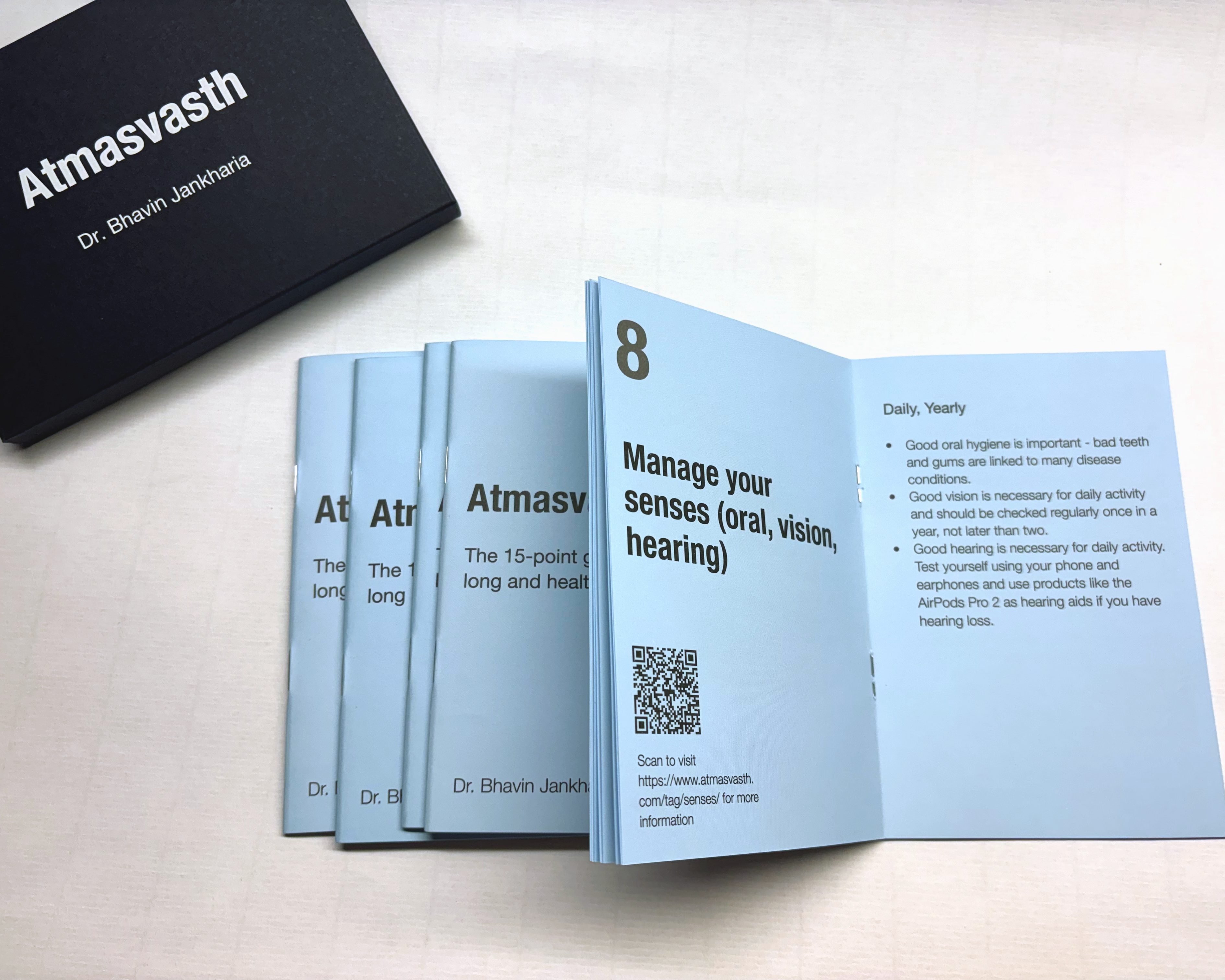
The Detailed 15-Point Guide to Live Long, Healthy
 Bhavin Jankharia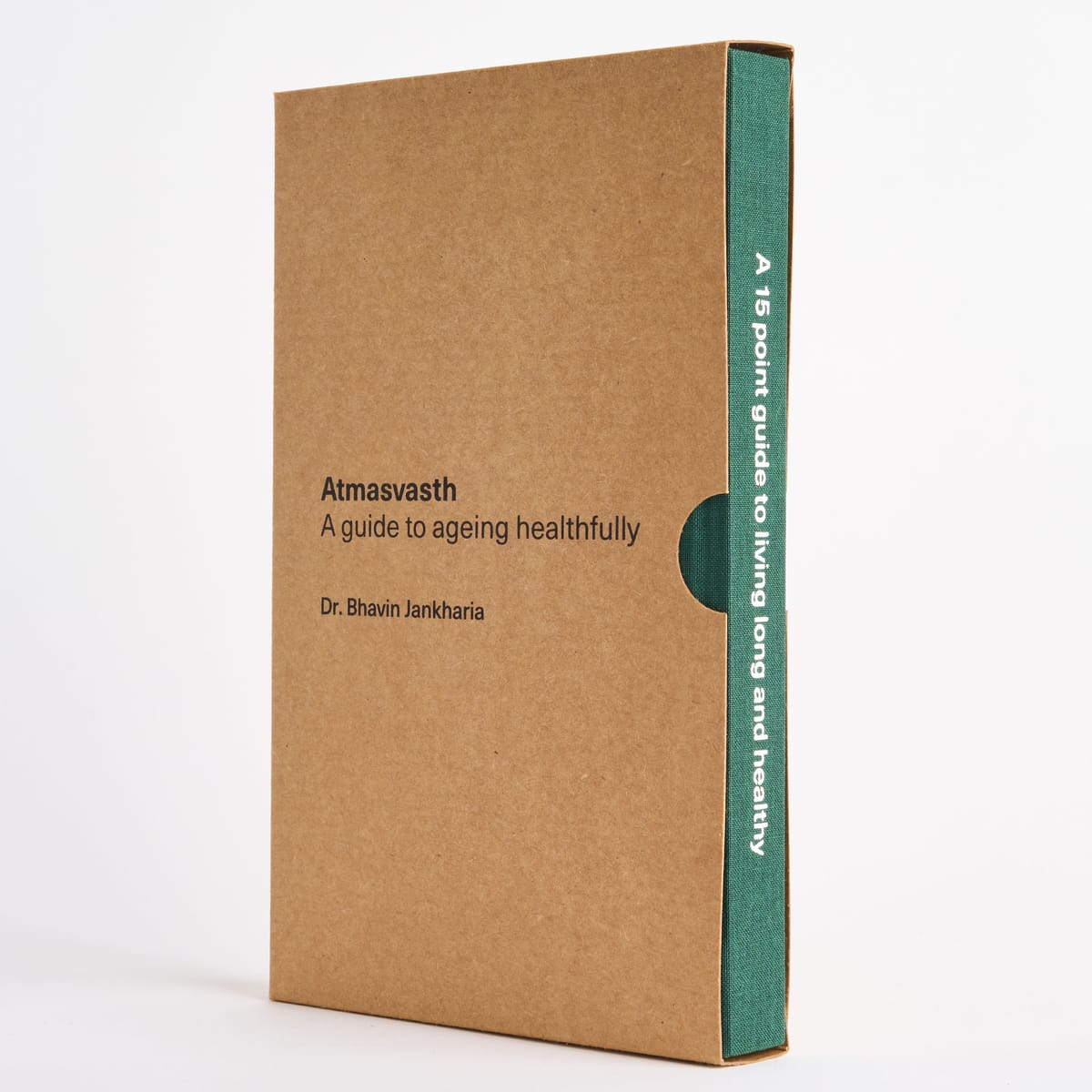
Atmasvasth Newsletter
Join the newsletter to receive the latest updates in your inbox.